

In the world of interior design, lighting is not just a utility but an art form that has the power to transform spaces. At Lampas, we understand that each light fixture we choose has a significant impact on the ambiance and functionality of a room. This article explores the intricate role of lighting in design, offering insights into how to select the perfect lighting solutions for various spaces.
The Science of Lighting
Lighting design is rooted in both art and science. It involves understanding the physics of light and how it interacts with different materials and surfaces. Effective lighting design can enhance mood, influence cognitive performance, and even impact our health and well-being. By mastering the science behind lighting, designers can create environments that are not only beautiful but also functional and comfortable.


Lighting for Different Spaces
Each room has its own unique lighting needs based on its function and layout. For example:
- Living Rooms: A mix of ambient, task, and accent lighting can create a welcoming and versatile space. Soft overhead lights combined with strategic spotlights can highlight artwork and architectural features, while table lamps can provide focused light for reading or working.
- Kitchens: Task lighting is crucial in kitchens where safety and functionality are paramount. Under-cabinet lighting provides essential illumination for countertop tasks, while pendant lights over islands can add style and warmth.
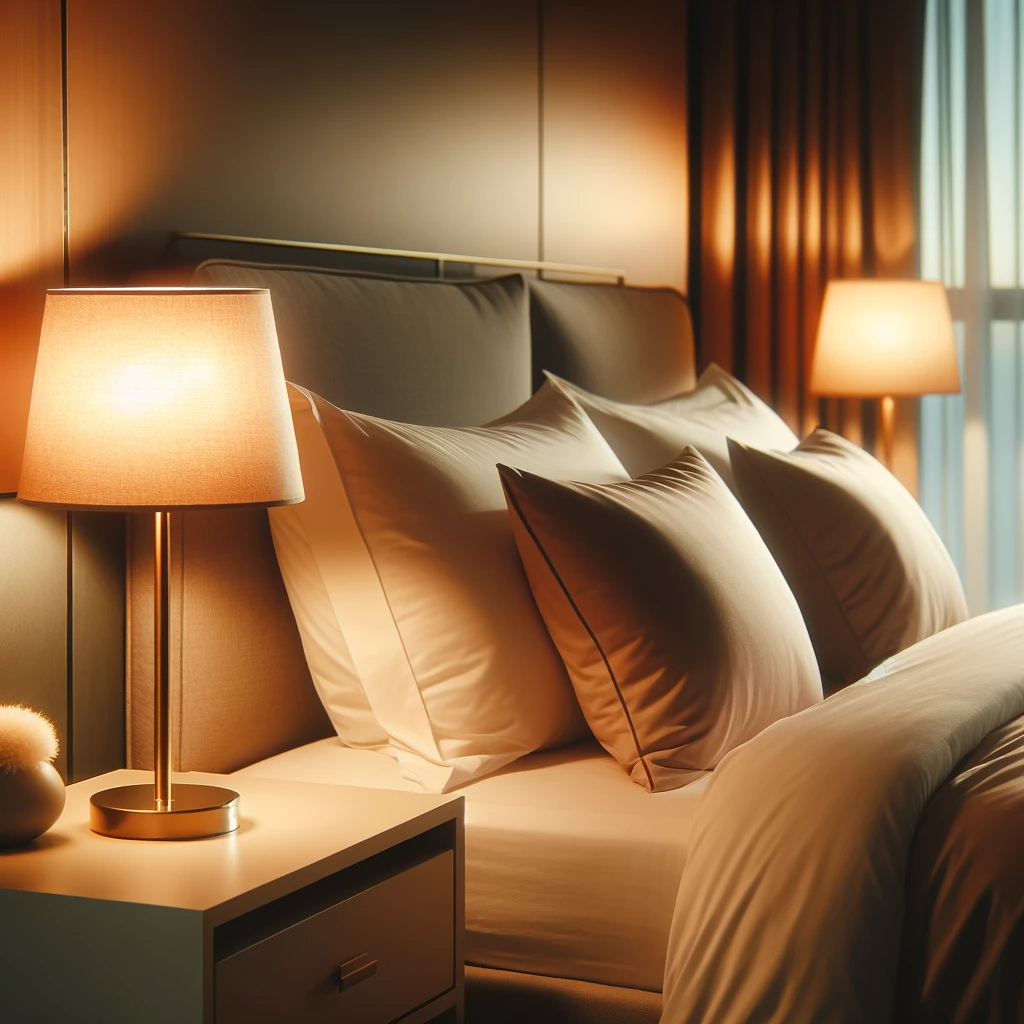
- Bedrooms: In bedrooms, ambient lighting promotes relaxation, while bedside lamps allow for bedtime reading without straining the eyes. Choosing adjustable lighting can also help in creating a calming atmosphere that enhances sleep quality.
- Offices: Adequate lighting in a home office can reduce eye strain and fatigue. Natural light is optimal, but where it’s insufficient, combining general ambient lighting with task lighting at desks can boost productivity and comfort.
Trends in Lighting Design
The world of lighting design is always evolving, with trends that reflect broader lifestyle and technological changes. Some current trends include:
- Sustainability: Energy-efficient lighting solutions, such as LED lights, are becoming increasingly popular as more people seek to reduce their environmental impact.
- Smart Lighting: Advances in technology have introduced smart lighting systems that allow users to control light settings using smartphones or voice commands. These systems can be programmed to change lighting based on the time of day or the activity taking place.
- Artistic Fixtures: Light fixtures are increasingly viewed as pieces of art. Designers are creating bold statement pieces that serve as focal points in a room, blending functionality with high design.
Conclusion
At Lampas, we are passionate about lighting and its ability to enhance every space it touches. Whether you are redesigning a single room or an entire building, understanding the basics of lighting design can help you make informed decisions that blend aesthetics and functionality. Through our extensive collection of lighting solutions, we aim to illuminate your world in ways that are both beautiful and beneficial.